
Public Science Engagement
Science in the public square: translating Research for general audiences
The hardest communications challenge in research and mission-driven organizations is not finding the right words—it is making that work legible to the audiences who need to hear it most. Over the course of her career at NASA and AAAS/Science, Natasha Pinol built a record of making complex, consequential science accessible to those audiences—from the White House to Tokyo, from peer-reviewed neuroscience to the deepest images of the universe ever captured.
THE WORK
Origami robot (AAAS / MIT): Coordinated press communications for research on a self-folding printable robot, generating coverage in NBC News, Phys.org, New Scientist, and WDRB. A technical engineering story made accessible and newsworthy for general audiences.
Bat disease research (AAAS): Translated epidemiology research on bats as disease vectors into a compelling public health story that earned national press coverage.
Dyslexia and brain connectivity (AAAS / Science): Managed international press distribution for neuroscience research on the brain basis of dyslexia, generating coverage in English, Dutch, and across European science media.
Sleep and memory research (AAAS): Communications support for the 2014 Newcomb-Cleveland Prize winner studying the restorative effects of sleep on memory -- made accessible for general press audiences.
Cosmic microwave background (AAAS / Oviedo): Coordinated press materials for research on the cold spot in the cosmic microwave background, announced at the Prince of Asturias press conference in Spain and distributed in English and Spanish.
White House Science Egg Roll (AAAS): Produced public engagement communications for an AAAS-sponsored science activation event at the White House, connecting science with family and community audiences at the highest public profile level.
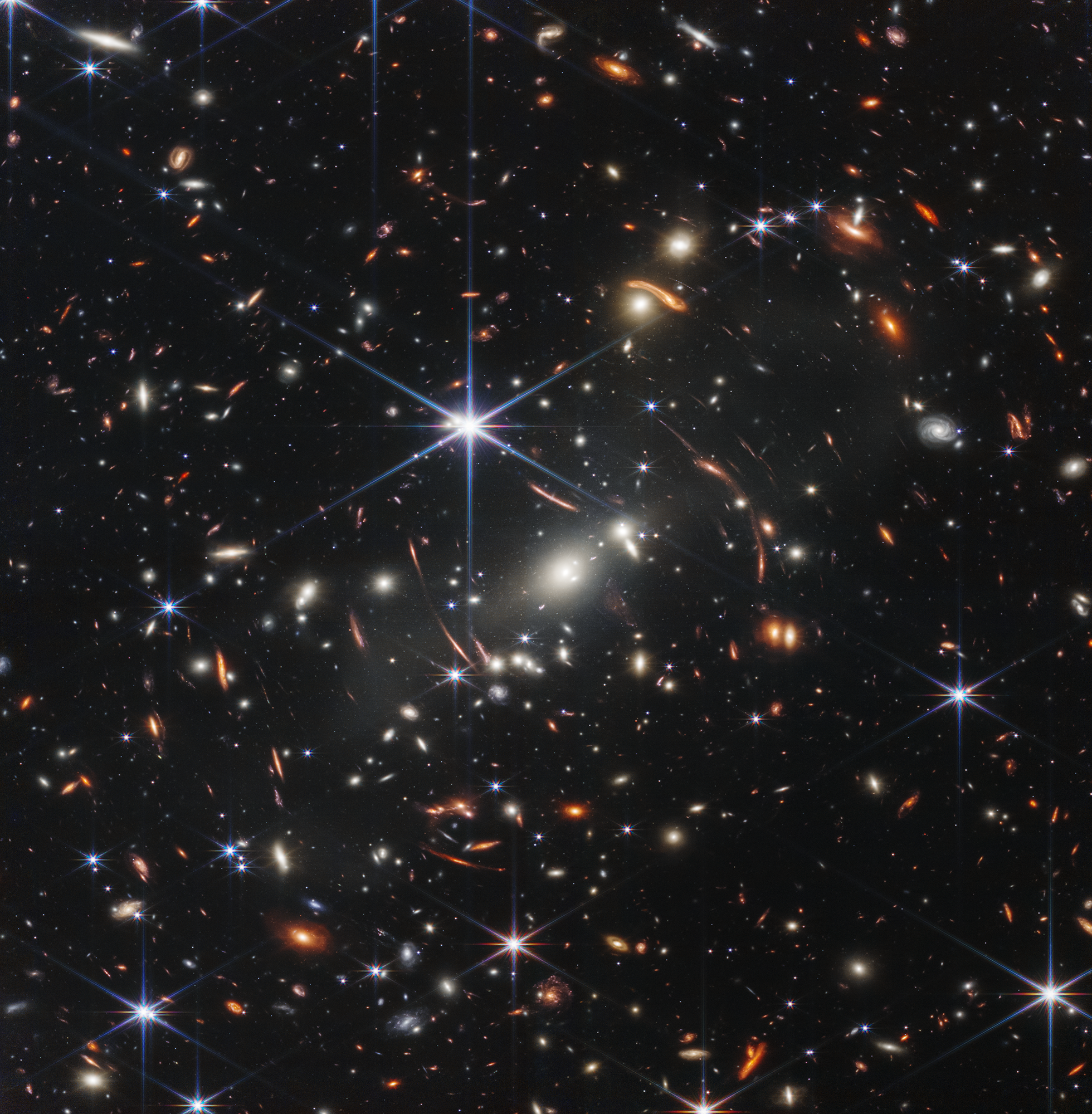
JWST first light images (NASA): Managed the global public communications moment when NASA released the first images from the James Webb Space Telescope, including coordination of the event where President Biden publicly revealed the first deep field image.
WHY IT MATTERED
Any story of science left untold is like the sound of a single hand clapping -- an event with too little impact in the broader world. This is the animating principle behind NRP Communications. Complex ideas -- whether scientific discoveries, institutional missions, or policy priorities -- deserve communications that match their importance. NRP Communications closes the gap between what organizations mean to say and what their audiences actually hear.
SELECTED COVERAGE
NBC News: How an Origami Robot Takes Shape
Phys.org: Origami Robot: Self-Folding Printable Robot
AAAS.org: Science: Reduced Brain Connectivity May Be at Heart of Dyslexia
AAAS.org: Paper on Sleep's Restorative Effects Wins 2014 Newcomb-Cleveland Prize
AAAS.org: Science: Inside You -- Annual White House Egg Roll
NASA Curious Universe (Spotify / Apple Podcasts): JWST Mini-Series Special Thanks
Image Credit: NASA, ESA, CSA, STScI—Webb’s First Deep Field, James Webb Space Telescope